Now accepting new clients — San Diego, CA
Know Where You’re Going Before You Get There
Career coaching for high school and college students who want to know what they’re studying, and why, before the first day of class.
Career coaching for high school and college students who want to know what they’re studying, and why, before the first day of class.
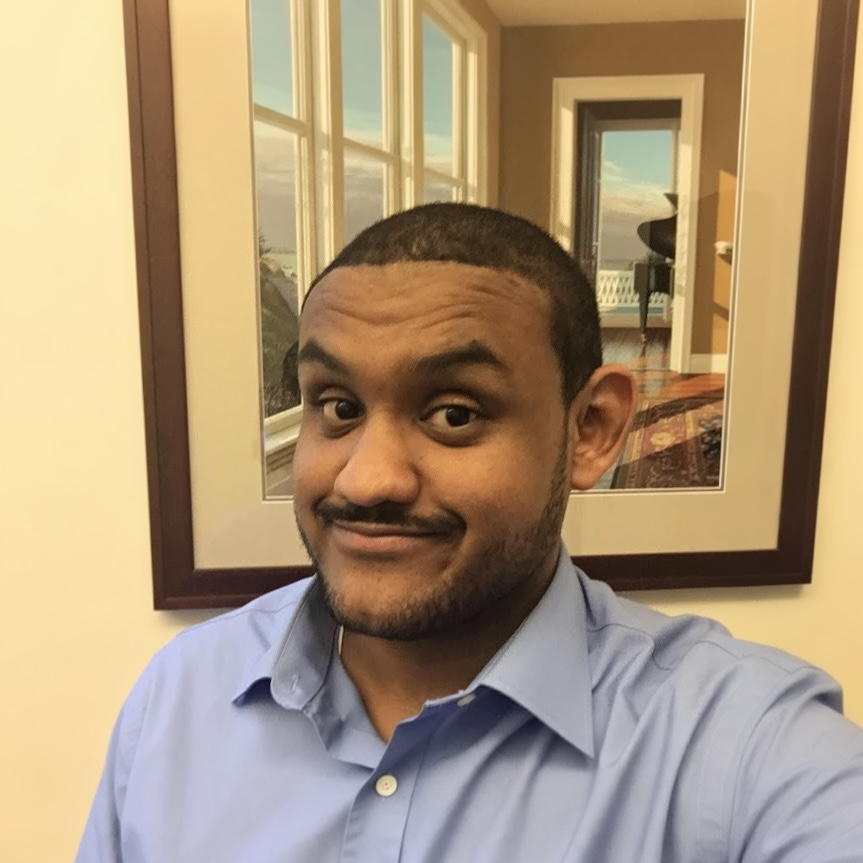
M.Ed. in Career Counseling — Penn State University
|K–12 & Higher Education experience
|Trained in career assessment administration
A lot of students pick a major because it sounded reasonable, or because someone told them to, or because they just needed to pick something. That works out fine for some people. For a lot of others, it leads to switched majors, extra semesters, and a lot of money spent figuring it out the hard way.
Juniors and seniors who want to walk into college with a direction that actually makes sense for them, not just something that sounded okay at the time.
Already in college and still not sure what you’re doing? That’s more common than people admit. We’ll work through it together and get you pointed somewhere real.
When your kid goes in knowing what they want to study, they don’t spend two years bouncing between majors. That saves real money and a lot of headaches for everyone involved.

“Students who know what they want to major in before they arrive spend less time finding their footing. They also spend less money getting there.”Wayne Cross, M.Ed. — Cross College & Career Readiness
Assessments are useful, but they’re one piece of a bigger picture. Most of the work happens in conversation, figuring out what actually matters to you and where you might realistically fit.
We talk through what you’re drawn to, what you’re good at, and what kind of work you’d actually show up for. Then we look at careers that match that picture.
Once you have a direction, we figure out which major actually gets you there and what the next four years should look like.
I’m trained in giving and reading career assessments. More to the point, I know how to explain what the results mean instead of just handing you a printout.
Sometimes the options are clear but the choice isn’t. I help you work through it without the pressure of everyone else’s opinions crowding out your own.





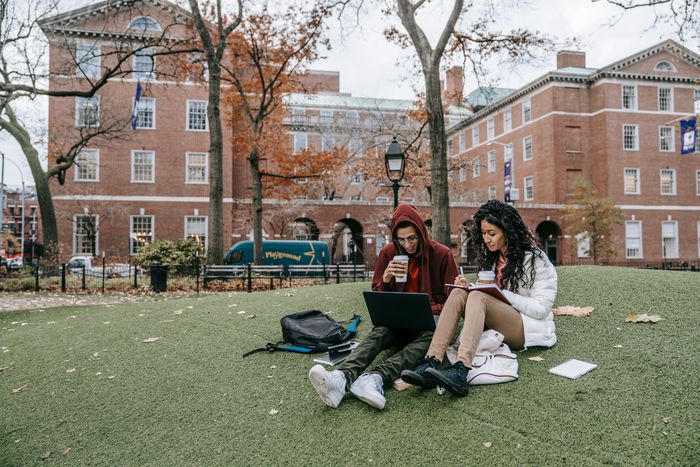

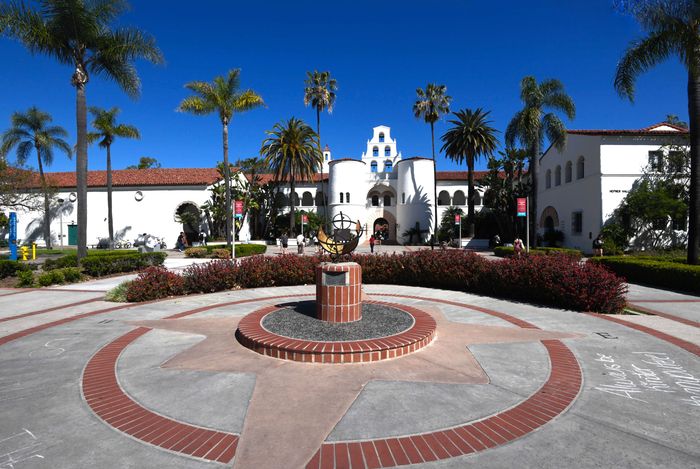
I’ve worked in career counseling at Penn State, in academic advising, and in K–12 schools here in San Diego. The same thing kept coming up: students who got to college with no real sense of what they wanted to study. Some figured it out. A lot of them spent extra time and money doing it.
This practice is built around closing that gap before it happens.
The first conversation is free. We’ll talk through what’s going on and figure out whether working together makes sense.